 Photo: Getty ImagesSave this storySave this story
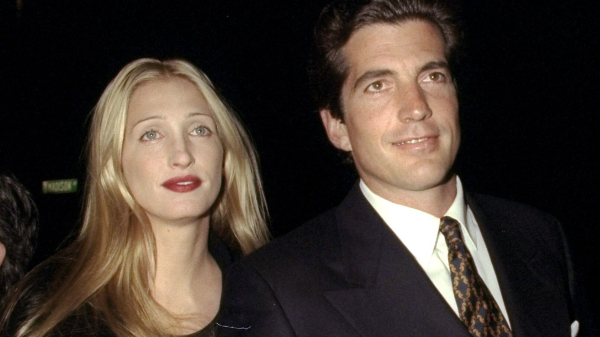
Carolyn Bessette-Kennedy died in a plane crash off the coast of Martha’s Vineyard with her husband, John F. Kennedy Jr., and sister, Lauren Bessette, on July 16, 1999. I was 20 years old, which means I was a teenager in the mid-90s as Bessette-Kennedy became a reluctant beauty icon. Her style was seemingly effortless, undeniably enviable, and so unattainable that I—someone whose entire wardrobe came from the Delia’s catalog—felt it pointless to pay it much mind.
But others understandably celebrated her style, and that celebration only intensified after her sudden, horrific death at 33. It was cyclical. Every few years, I’d watch magazines and digital articles re-up interest in her style with shoppable tributes, often based on the designers and brands she was confirmed to have worn: Levi’s 517s, a camel-colored Prada coat, Abdul Kareem Egyptian Musk.
With the launch of Ryan Murphy’s new biographical show, Love Story: John F. Kennedy Jr. & Carolyn Bessette, interest in Bessette-Kennedy has skyrocketed like never before, and the current hunger to recreate her minimalist, anti-trend style has taken on new proportions. No longer is it just about reporting on or referencing the designers and colors and silhouettes that she favored. In recent weeks, brands that didn’t even exist in 1999 are diluting this complex, intelligent woman—who, lest we forget, died tragically—into a tool to sell their stuff without her consent.
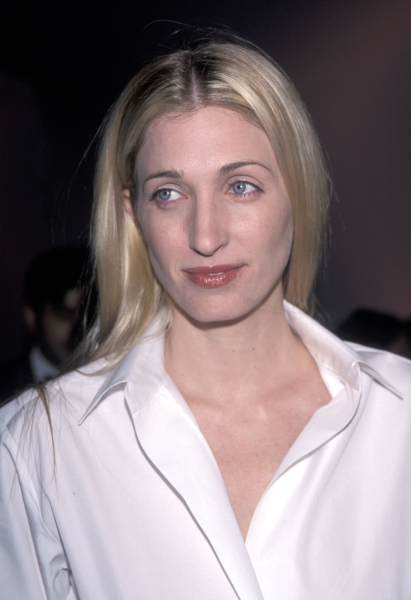 Photo: Getty Images
Since the show’s premiere earlier this month, beauty editors like myself have been inundated with increasingly tone-deaf email pitches about Carolyn Bessette-Kennedy’s look—to the point that some editors say they’ve gotten dozens over the course of this week. “Channel your inner CBK,” reads one email I received recently about headbands. “The Carolyn Bessette-Kennedy lip is back!” declares another, pitching a lip oil that will help you achieve a “sheen that feels refined and unfussy, just like Carolyn.” Another pitch says her hair color “was the kind of blonde that whispers luxury, rather than shouting for attention—and you can now recreate it with [brand name redacted]!” (The exclamation mark really got me.) And the one that truly sums up what’s making me scowl: a subject line that reads, “Carolyn Bessette Would Have Loved These Skincare Products.”
Perhaps I shouldn’t be surprised that the commodification of Carolyn has spread beyond the inbox and into consumer-facing social media content. Kim Kardashian playfully posed in a blonde wig that her colorist deemed “The Carolyn Bessette-Kennedy Blonde” in the caption (even if that’s not entirely accurate). At least they didn’t use the hashtag #BessetteBlonde, like Schwarzkopf did in an Instagram post about a highlighting technique the brand called “foiled cashmere, inspired by Carolyn Bessette-Kennedy.” (Imagine losing a friend and, years later, seeing their name used for a cutesy, alliterative hashtag to promote a salon service.)
Brands are diluting this complex, intelligent woman—who, lest we forget, died tragically—into a tool to sell their stuff without her consent.
Needless to say, and disappointingly, the pitches are working. Or, if I’m to give them the benefit of the doubt, perhaps they started after the content of questionable tact began showing up in feeds and Google search results. Influencers are posting TikToks and Reels recommending products they think Carolyn Bessette-Kennedy would have used in her morning routine. Digital outlets are posting Amazon affiliate-linked “shop the look” lists.
Here’s the kicker: almost none of the products they’re pushing are ones Bessette-Kennedy ever laid hands on. What are we doing here, guys? It’s one thing for beauty journalists to report on the confirmed details of this beauty icon’s routine (as Allure did recently). It’s another to turn someone who is no longer with us, no matter how stylish and beautiful, into your own personal brand ambassador. These oddly jovial pitches put her public image through a marketing strainer, sometimes promoting products that don’t even align with her aesthetic (or, like lip oils, that didn’t exist when she was alive).
I’ve been on the PR side of beauty, so I understand that turning big cultural moments into “conversions” (aka actual purchases) is part of the process. But as crucial as it may be to find relevant hooks to ignite editors’ and consumers’ interest in products, there is nothing particularly effective about suggesting that a woman who didn’t live to see her 34th birthday would have totally used this new gel sheet mask infused with niacinamide.
It’s par for the publicity course to send “get the look” pitches to editors. Or, in other words, to highlight your clients’ products that seem similar to what a celebrity used (but didn’t). Celebrities—the ones who are alive, anyway—know and must accept, to some extent, that their image is used to sell products they have no affiliation with. (Most of them, of course, also make money from the sale of products with which they do have an affiliation.) It’s a common practice.
But it isn’t a practice that Bessette-Kennedy ever opted into. She was a woman known as much for her consistent, impeccable style as for the high value she put on her privacy. She never used her own image to promote products or gave interviews about her look. Would that have changed if she had lived to see the social media age? Perhaps. Personally, I highly doubt it.
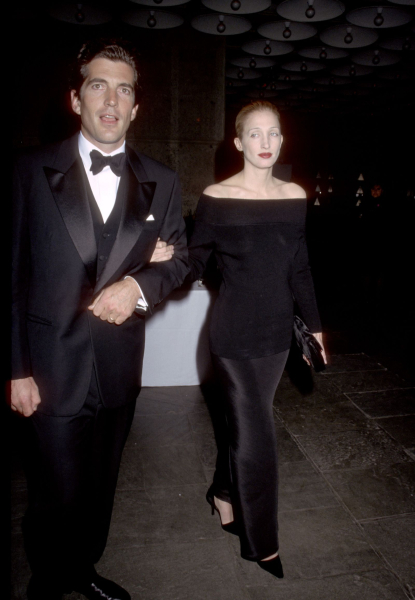 Photo: Getty Images
It is not a bad thing to want to look like Carolyn Bessette-Kennedy. There’s absolutely nothing wrong with everyday people taking inspiration from her image long after her death, as often happens with public figures who were lost tragically and far too young. There’s a clear line between inspiration and commodification, though, and from where I’m sitting, it’s been beyond crossed.
I don’t purport to know how Bessette-Kennedy would want to be remembered. She’s more than just her untimely death, of course—she was, in fact, an accomplished publicist herself, which makes this entire situation unfortunately ironic. But while I’m sure she would appreciate that she’s one of the most lauded American tastemakers of her time, I doubt she would delight in being boiled down to an Instagram video on the products you need to get her radiant complexion or an email pitch for at-home hair dye.